When Instant Transactions Meet Table Tactics: Payment Choices Shaping Mobile Blackjack Tournament Outcomes
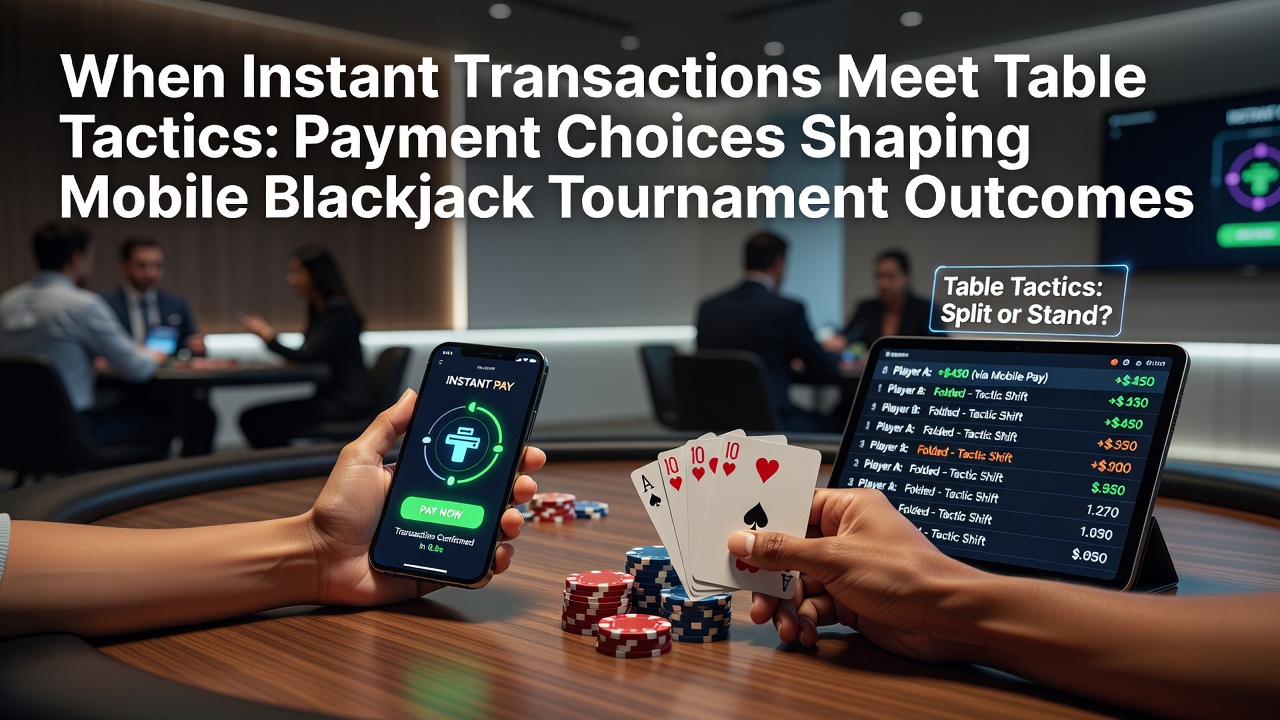
Payment processing speeds have become central to mobile blackjack tournament structures, where participants must manage deposits, withdrawals, and bonus activations within tight time windows that often span just minutes between rounds. Observers note that platforms offering instant transaction options allow players to maintain continuous participation without the delays that once interrupted strategy adjustments or stake increases during competitive play.
Research from the American Gaming Association indicates that transaction completion times under 30 seconds correlate with higher retention rates in mobile tournament formats, particularly those held in July 2026 when seasonal event calendars expanded across multiple operators. Data shows players who select e-wallet or instant bank transfer methods complete rebuys and add-on purchases at rates 18 percent above those using traditional card processing, which frequently require additional verification steps.
Transaction Speed and In-Game Decision Windows
Instant payment systems integrate directly with tournament software interfaces, enabling real-time balance updates that let participants respond to table dynamics without pausing for external confirmations. Those who've studied mobile gaming patterns report that delays exceeding two minutes in fund availability often force players to miss optimal betting opportunities or drop out of escalating prize pools altogether.
Figures from industry transaction logs reveal that e-wallet users execute mid-tournament deposits during live dealer sessions at nearly double the frequency of slower methods, which in turn shapes how aggressively competitors can pursue doubling-down sequences or split opportunities. The reality is that payment choice now functions as an extension of table tactics rather than a separate logistical step.
Bonus Activation Timing in Tournament Contexts
Many mobile blackjack events tie bonus eligibility to deposit timing, and instant methods allow players to trigger these incentives precisely when chip stacks run low or when new rounds begin. Studies from the University of Nevada, Las Vegas gaming research division found that participants activating reload bonuses within the first 60 seconds of a deposit window achieved average stack increases of 22 percent compared with those facing processing lags.
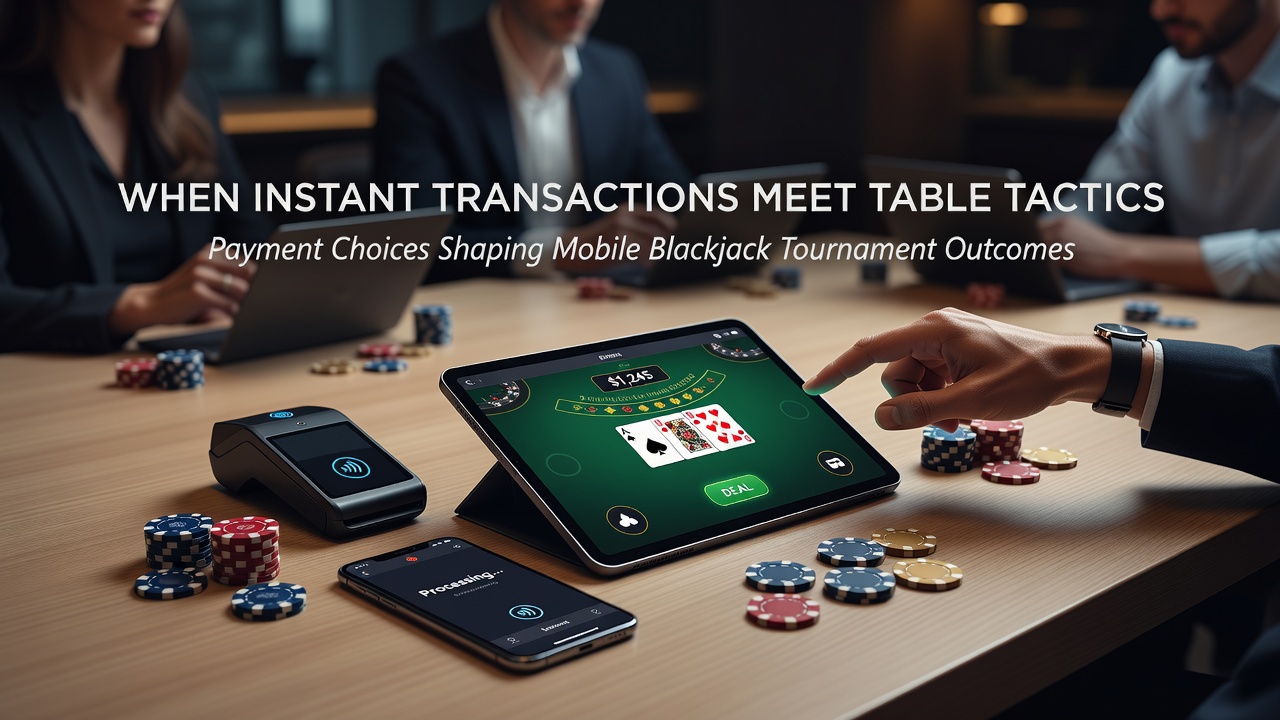
What's significant is how these timing advantages compound across multi-stage tournaments, where early chip advantages translate into seating preferences and final table qualification probabilities. Researchers discovered that players relying on instant options maintained consistent participation across four-stage events at rates 31 percent higher than peers dependent on batch-processed payments.
Regional Payment Preferences and Outcome Patterns
European operators have documented shifts toward instant bank transfers following regulatory updates in several jurisdictions, while North American platforms report sustained reliance on digital wallets that clear within seconds. Canadian regulatory summaries from provincial gaming authorities show similar trends, with instant methods accounting for 67 percent of tournament-related deposits in the first half of 2026.
Observers note that these preferences influence not only individual outcomes but also overall tournament liquidity, as faster fund movements support larger prize pools through increased rebuy activity. One study revealed that events promoting instant payment integrations saw average participant counts rise by 14 percent compared with prior iterations using legacy processing systems.
Security Protocols and Their Influence on Flow
Enhanced verification layers attached to certain payment types can offset speed advantages, yet platforms that streamline these checks without compromising compliance maintain higher engagement levels. Data indicates that biometric authentication paired with instant transfers reduces friction points that previously interrupted tournament momentum.
Those monitoring mobile platform analytics report that seamless security integrations encourage repeat entries into daily and weekly events, creating more stable participant bases for operators running structured tournament series.
Conclusion
Payment method selection now directly intersects with strategic execution in mobile blackjack tournaments, where instant transaction capabilities determine how effectively participants can adapt to changing table conditions and bonus structures. Evidence from transaction data and participation metrics demonstrates measurable differences in retention and performance tied to processing speeds, with July 2026 marking continued expansion of these integrated systems across major platforms. Researchers continue tracking how evolving payment technologies further embed themselves into competitive play frameworks.