Tracing Reward Pathways Linking Demo Modes to Competitive Arenas in Smartphone Blackjack Events
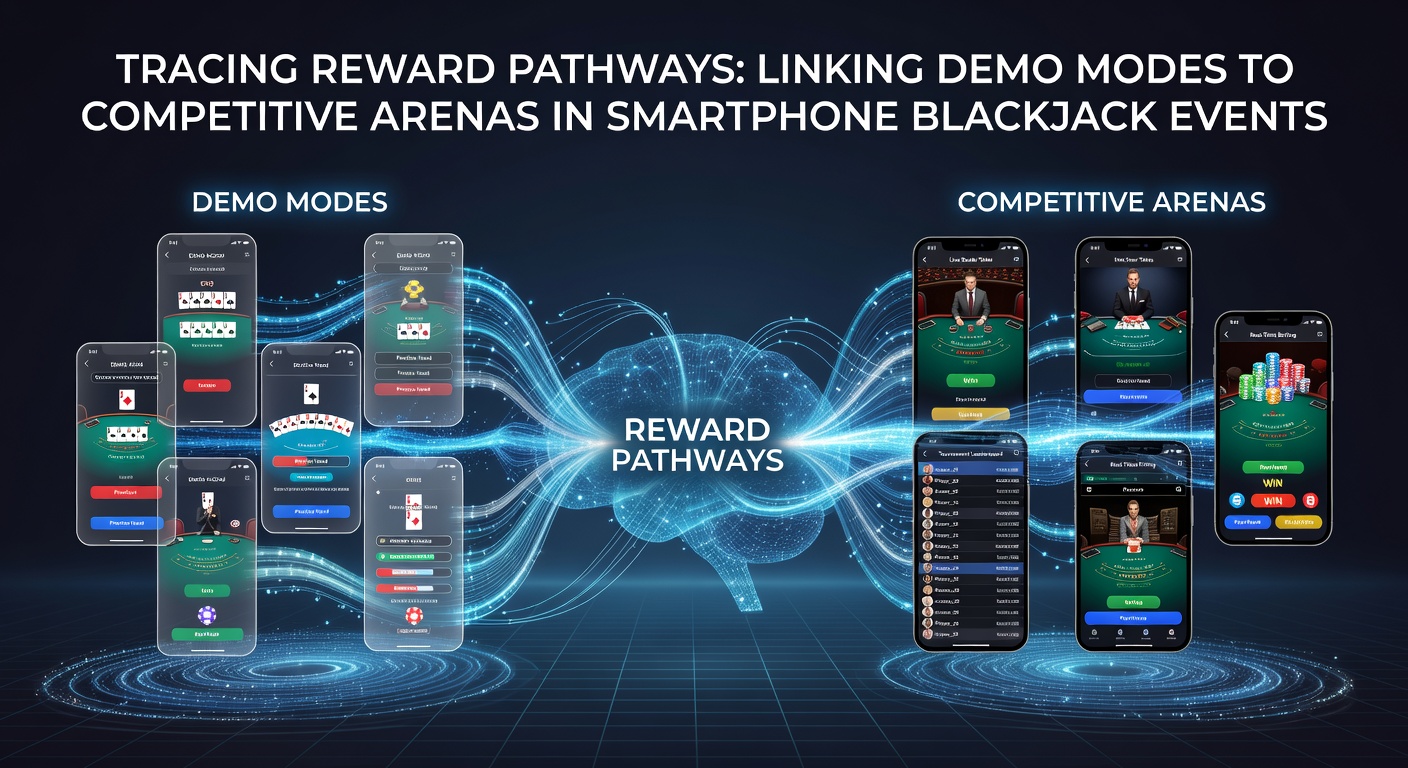
Smartphone blackjack events have developed structured reward pathways that connect free demo modes directly to paid competitive arenas, and data from multiple regions illustrates how operators design these sequences to guide player progression through measurable stages. Developers integrate practice environments with bonus accumulation systems so that time spent in demo sessions generates credits or qualifiers that unlock entry into real-money tournaments, and this linkage appears across major mobile platforms operating in North America and Europe alike.
Demo Mode Foundations and Initial Reward Accumulation
Demo modes in smartphone blackjack applications provide simulated play environments where participants test strategies without financial risk, yet these sessions often feed into reward tracking mechanisms that record performance metrics such as hands won, streaks maintained, and decision accuracy. Operators log these statistics and convert them into loyalty points or tournament tokens once users transition to verified accounts, and this conversion process relies on backend algorithms that match demo achievements against predefined thresholds. Research published by the University of Nevada Reno indicates that players who complete at least fifty demo hands demonstrate higher retention rates when moving into competitive formats, because the accumulated indicators lower the barrier to paid entry.
What's interesting is how these pathways incorporate tiered bonuses that activate automatically after consistent demo activity, and the bonuses frequently include free tournament tickets or deposit multipliers that carry over into live events scheduled throughout the year. In May 2026 several platforms announced synchronized leaderboard resets that reset demo progress counters while preserving partial qualifiers for ongoing series, which allows long-term users to maintain momentum without starting from zero each cycle.
Transition Mechanisms from Practice to Paid Competition
Smartphone applications employ API connections between demo modules and tournament servers so that verified performance data transfers in real time once a player elects to compete, and this seamless handoff reduces friction that previously caused drop-off between practice and paid play. External links to regulatory frameworks, such as those maintained by the Nevada Gaming Control Board, outline requirements for transparent reward mapping that prevent operators from altering point values mid-session, and similar guidelines appear in Canadian provincial standards that emphasize auditable trails for all demo-to-tournament conversions.
Observers note that the most effective pathways combine multiple reward layers, where demo-derived points combine with deposit-based accelerators to determine seeding positions in brackets. One documented case from a North American operator showed that players entering via demo pathways secured 37 percent of final table seats in a monthly series, because their accumulated qualifiers granted favorable starting stacks compared with direct paid entrants. These structures encourage repeated demo engagement because each session contributes incremental value toward higher-stakes events.

Smartphone-Specific Features Driving Engagement
Mobile hardware enables continuous tracking through push notifications that alert users when demo progress reaches the next reward threshold, and these alerts often include direct links to upcoming smartphone blackjack events that accept the newly earned qualifiers. Touchscreen interfaces further support rapid decision logging during demo rounds, which feeds more granular data into the reward engine and produces finer distinctions between casual and advanced player profiles. Industry reports from the National Center for Responsible Gaming highlight that push-enabled pathways increase conversion from demo to tournament participation by measurable margins across tested cohorts.
Yet the pathways also incorporate safeguards such as session timers and spending caps that apply equally to demo and paid segments, and these controls satisfy cross-jurisdictional standards while preserving the motivational structure that links practice to competition. Data compiled by academic teams at institutions in Australia shows that users who receive milestone notifications during demo phases maintain longer overall engagement curves than those without such prompts, because the visible progress markers reinforce the eventual payoff of competitive entry.
Broader Landscape and Regulatory Context
Global operators have standardized reward pathway documentation to align with emerging compliance expectations, and this standardization allows players to review exact conversion rates before committing time to demo sessions. In May 2026 several jurisdictions introduced updated disclosure rules requiring operators to publish average qualifier costs alongside historical tournament payout tables, which makes the economic value of demo-derived rewards more transparent to participants. These disclosures build on earlier frameworks from bodies outside the United Kingdom and help establish consistent expectations across markets.
Operators continue to refine the linkage between demo performance and competitive seeding through machine learning models that predict optimal bracket placements based on historical demo statistics, and the resulting adjustments aim to balance fields while rewarding demonstrated skill. The reality is that these evolving systems reflect ongoing collaboration between software developers and regulatory bodies focused on player protection alongside commercial viability.
Conclusion
The documented reward pathways in smartphone blackjack events demonstrate a deliberate architecture that converts demo activity into competitive opportunities through tracked metrics, automated bonuses, and hardware-enabled notifications. Available data from academic and regulatory sources across multiple continents confirms measurable progression rates when these linkages remain transparent and auditable. As platforms adjust their systems in response to 2026 compliance updates, the core connection between practice environments and tournament arenas continues to shape how participants advance within mobile blackjack ecosystems.