Seamless Transaction Pathways Fueling Transitions From Practice Tables to Competitive Blackjack Ladders
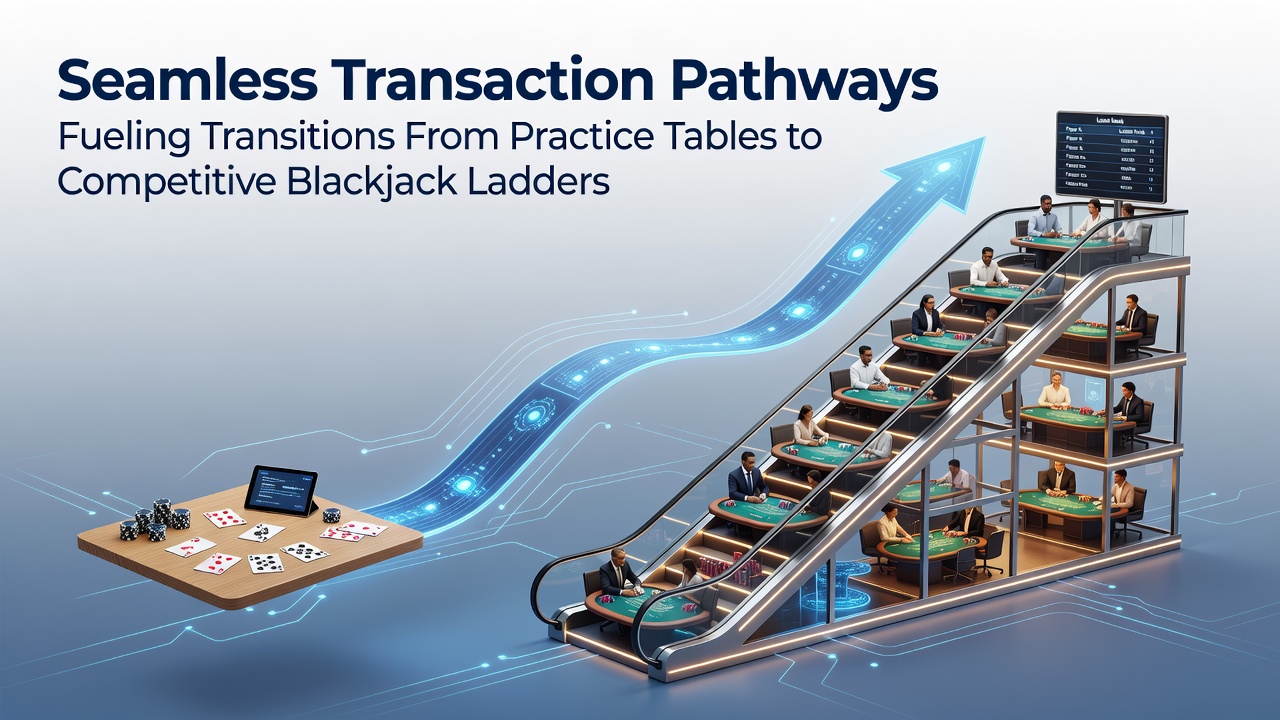
Players often begin their blackjack experience at practice tables where no real money changes hands, yet the shift to competitive ladders requires reliable transaction systems that handle deposits, bonuses, and withdrawals without friction, according to data from the American Gaming Association. These pathways connect free play environments directly to tournament entries and leaderboard climbs, allowing participants to fund accounts and claim rewards in streamlined sequences that maintain momentum from one stage to the next.
Research from the University of Nevada's gaming studies program indicates that integrated payment options reduce the time between demo sessions and live competition, with figures showing average transition periods dropping when platforms support instant verification and multi-method funding. Observers note that operators who link these systems see higher progression rates as users move from simulated hands to real stakes without repeated logins or manual approvals interrupting the flow.
Payment Integration in Early Stages
Practice tables serve as entry points where individuals learn rules and test strategies, but competitive ladders demand deposits that qualify for bonuses and tournament buy-ins. Seamless pathways incorporate digital wallets and card processors that sync across both environments, enabling users to carry progress markers like earned points or unlocked levels into funded play. Data from industry reports reveal that platforms using unified ledgers experience fewer drop-offs during this phase because verification steps occur once rather than repeatedly.
Those who've examined user behavior find that options such as e-wallets and prepaid cards accelerate the move to paid tables, while bank transfers provide alternatives for larger tournament entries. The reality is that these methods operate in the background, handling currency conversion and compliance checks automatically so players focus on game selection instead of administrative tasks.
Bonus Structures Supporting Ladder Climbs
Bonus systems tied to initial deposits often include tournament tickets or leaderboard multipliers that reward consistent participation. When transaction pathways align with these promotions, players who start at practice tables receive credits that apply directly to competitive formats, creating a continuous progression track. Studies conducted in Australian research centers show correlations between seamless bonus activation and increased retention across skill-based events, with participants advancing through multiple tiers within shorter timeframes.
What's interesting is how loyalty programs integrate with payment confirmations to unlock higher-stakes ladders automatically, eliminating separate applications for each level. Observers point to cases where automated reward distribution follows deposit confirmations, allowing users to enter live dealer events or bracket competitions without additional navigation steps.

Mobile Platforms and Real-Time Funding
Mobile applications extend these pathways by embedding transaction tools within the same interface used for practice and competition. Users switch between modes while maintaining account balances that reflect both simulated results and real-money activity, with push notifications confirming successful transfers during June 2026 updates to several major platforms. Figures from North American operators indicate mobile funding accounts for the majority of transitions, as touch-based approvals complete in seconds rather than minutes.
Live tournament feeds further connect to these systems by displaying entry fees that deduct instantly upon selection, bypassing external portals. People who've tracked these flows note that security layers such as biometric confirmation operate alongside payment gateways, preserving speed while meeting regulatory standards across regions.
Regulatory Frameworks Enabling Cross-Stage Movement
Authorities in various jurisdictions set standards for transaction transparency that support movement between practice and competitive environments without creating barriers. Reports from the Canadian Gaming Association highlight how licensed operators implement audit trails that follow funds from initial deposits through tournament payouts, ensuring compliance while allowing uninterrupted play sequences. This structure benefits users who progress steadily because verification records build automatically rather than requiring manual resubmission at each stage.
European research institutions have documented similar patterns where standardized reporting reduces processing delays, letting participants focus on strategy refinement instead of administrative hurdles. The ball's in the operators' court to maintain these connections, and data shows consistent implementation correlates with broader participation in ladder-style events.
Conclusion
Seamless transaction pathways create direct links between practice tables and competitive blackjack ladders by aligning payment tools, bonus mechanisms, and mobile interfaces into single workflows. Evidence from multiple research sources demonstrates that these integrations support higher progression rates and sustained engagement across formats. As platforms continue refining these connections through 2026 and beyond, the emphasis remains on factual system performance that moves users forward without unnecessary interruptions.