Mapping Interconnections Between Promotional Incentives and Adaptive Tactics in Mobile-Enabled Live Dealer Card Events
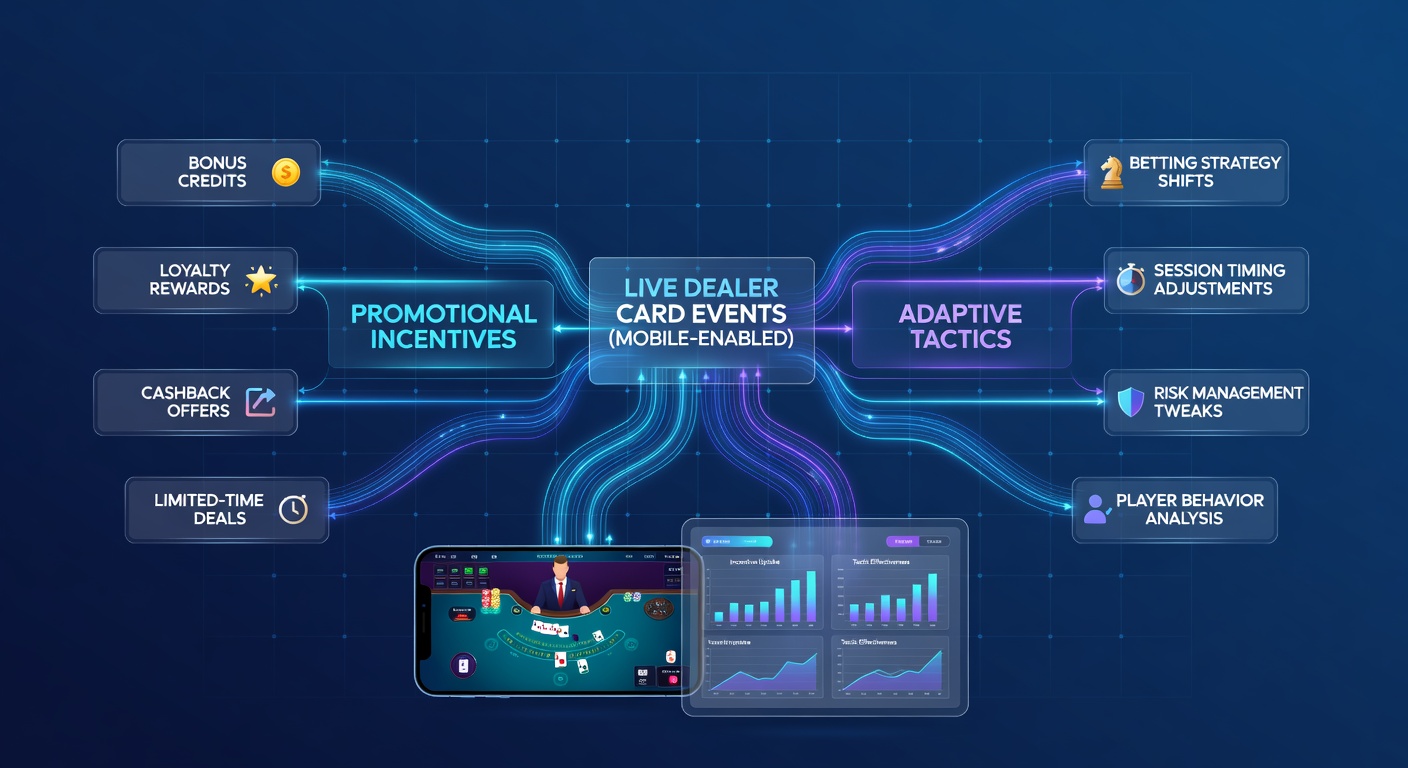
Promotional incentives in mobile-enabled live dealer card events connect directly with player tactics through structured reward systems that shape betting patterns and session management. These interconnections appear across digital platforms where operators link deposit matches, cashback offers, and loyalty points to live-streamed blackjack and poker tables accessible via smartphones and tablets.
Core Elements of Promotional Structures
Operators design incentives around wagering requirements that range from 20x to 50x on bonus amounts while players adapt their card selection and stake sizing accordingly. Data from industry reports indicate that participants often extend play duration when promotions include time-limited multipliers that apply to specific live dealer tables. Those who study these patterns note how free spin allocations tied to card events encourage shifts toward lower-variance decisions during qualifying rounds.
Payment method bonuses further tie into mobile functionality because instant deposit rewards activate within seconds on compatible apps. Players then adjust their bankroll allocation to meet playthrough thresholds before promotional windows close. Research from university gaming studies shows correlations between these incentives and increased use of split and double-down options in blackjack variants streamed from dedicated studios.
Adaptive Tactics in Live Dealer Environments
Participants modify core strategies when mobile interfaces display real-time bonus progress meters alongside dealer feeds. One common adjustment involves raising stakes after reaching partial wagering milestones to accelerate completion before session limits reset. Observers note that such tactics integrate with basic strategy charts updated for rule variations unique to live dealer formats.
Card counting remains limited in these settings because continuous shuffling machines operate in most studios yet players still track deck composition through visible burn cards and discard trays. Mobile apps enhance this by offering side bet tracking tools that sync with ongoing promotions. Figures from trade association data reveal higher engagement rates when loyalty tiers unlock exclusive table access during peak hours.
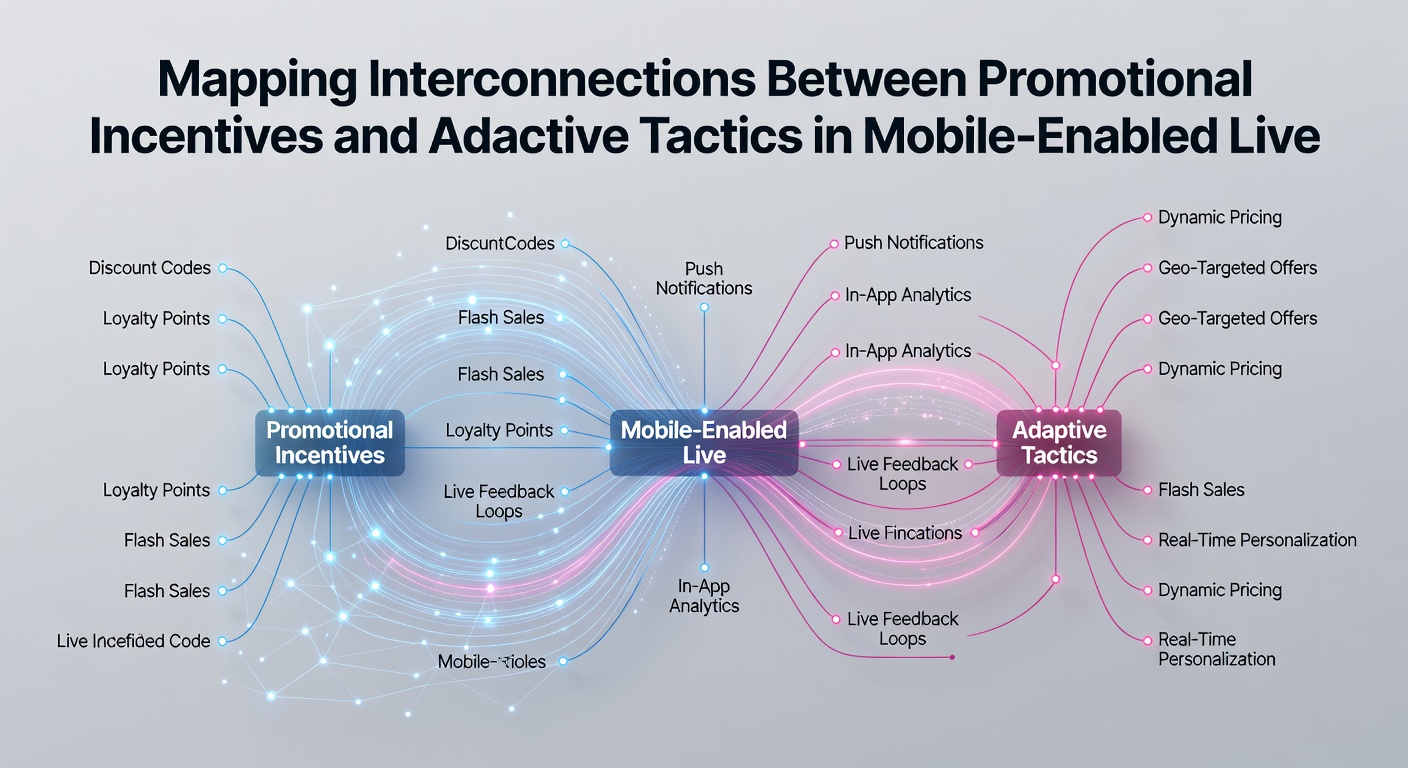
Interconnections and Platform Dynamics
The relationship strengthens when operators introduce leaderboard challenges that reward top performers with additional incentives during May 2026 tournament cycles. Participants respond by selecting tables with favorable promotional overlays while maintaining disciplined bankroll splits across multiple devices. This approach allows simultaneous tracking of bonus progress and hand outcomes through synchronized notifications.
Studies from academic research institutions highlight how adaptive tactics evolve with the introduction of progressive jackpot side bets that link directly to deposit bonuses. Players allocate portions of their bankroll specifically to these features when promotions reduce the house edge on paired wagers. External regulatory frameworks in regions such as those overseen by the Nevada Gaming Control Board establish baseline standards that influence how these interconnections develop across international platforms.
Technological Enablers and Player Responses
Mobile connectivity supports these dynamics through low-latency streaming that delivers sub-second updates on both card outcomes and promotional status. Adaptive responses include pausing play during dealer changes to review accumulated rewards and recalibrate next-hand decisions. Industry organizations such as the American Gaming Association report increased session frequency when apps incorporate haptic feedback for bonus triggers.
Geographic variations emerge because operators tailor incentives to local preferences while mobile users cross-reference terms across multiple jurisdictions. Those monitoring these trends identify patterns where cashback structures encourage conservative play styles until thresholds clear then prompt more aggressive adjustments. Data from Canadian regulatory analyses parallel similar behaviors in European markets where live dealer events incorporate region-specific loyalty multipliers.
Conclusion
These mappings demonstrate how promotional incentives function as structural inputs that guide tactical adaptations in mobile live dealer card events. Operators continue refining these systems while players develop corresponding responses that optimize reward capture within established rules. The resulting framework remains dynamic as technology and regulatory environments shift in coming periods.