Decoding Reward Stacking Influences on Adaptive Play in Live Mobile Card Applications
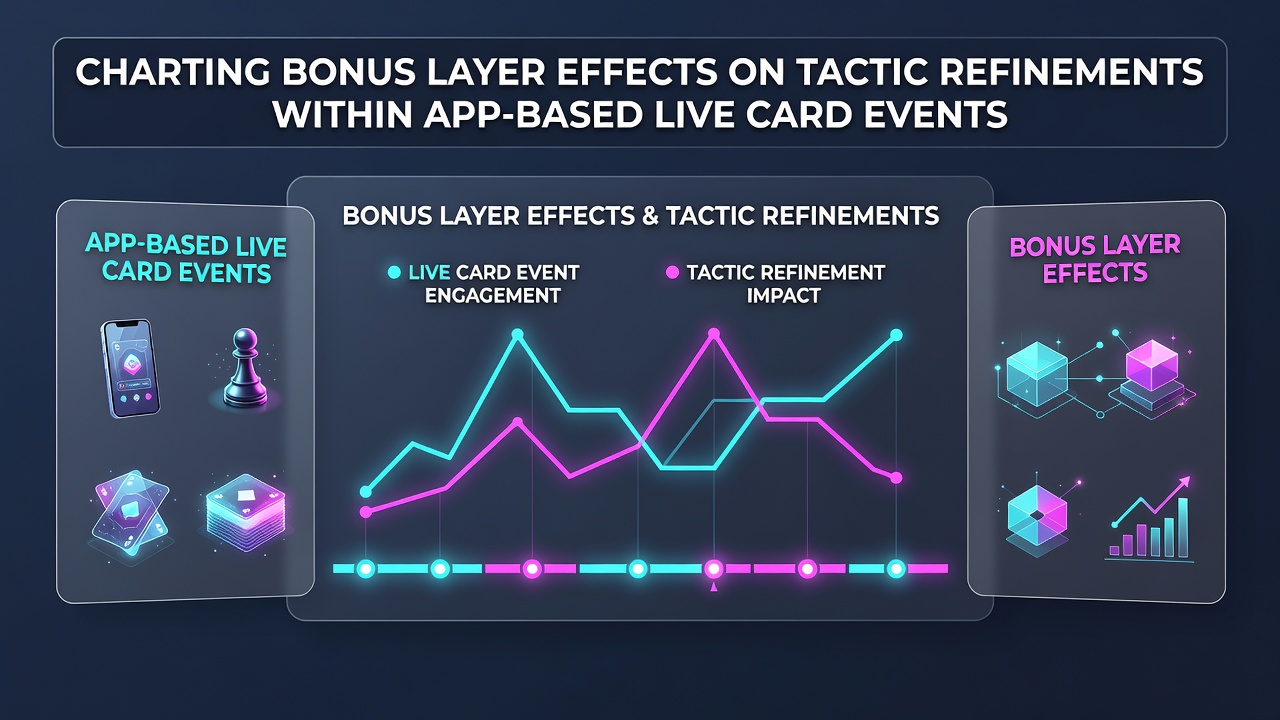
App-based live card events have expanded rapidly since the mid-2010s, and operators now deploy multiple bonus layers that interact with player decisions in real time; data from industry reports indicate these structures prompt measurable shifts in bet sizing, hand selection, and session pacing across platforms that stream dealer interactions directly to smartphones and tablets.
Defining Layered Bonus Mechanics
Layered bonuses typically combine welcome credits, ongoing reload matches, cashback percentages, and loyalty multipliers that accumulate based on wager volume, while live card events add time-sensitive elements such as streak rewards or table-specific promotions that reset or escalate during the same session. Regulatory filings from the Nevada Gaming Control Board show operators must disclose these mechanics clearly, yet the combined effect on strategy remains a subject of ongoing analysis by platform developers and independent researchers alike.
Studies conducted by university teams at institutions including the University of Nevada, Las Vegas track how users adjust their approach once bonus thresholds become visible on-screen; participants in controlled trials often move from conservative minimum bets toward mid-range wagers once a cashback layer activates, and they frequently extend sessions when loyalty multipliers climb above 1.5x.
Observed Tactical Adjustments in Real Sessions
Observers tracking anonymized gameplay logs note several recurring patterns when multiple bonus layers overlap. Players who receive an initial deposit match tend to increase their average bet size within the first ten hands, whereas those accruing cashback percentages often tighten their ranges and avoid high-volatility side bets until the rebate meter fills. These refinements appear most pronounced in events that stream from physical studios rather than fully simulated tables, because the visible dealer pace influences timing decisions tied to bonus expiration clocks.
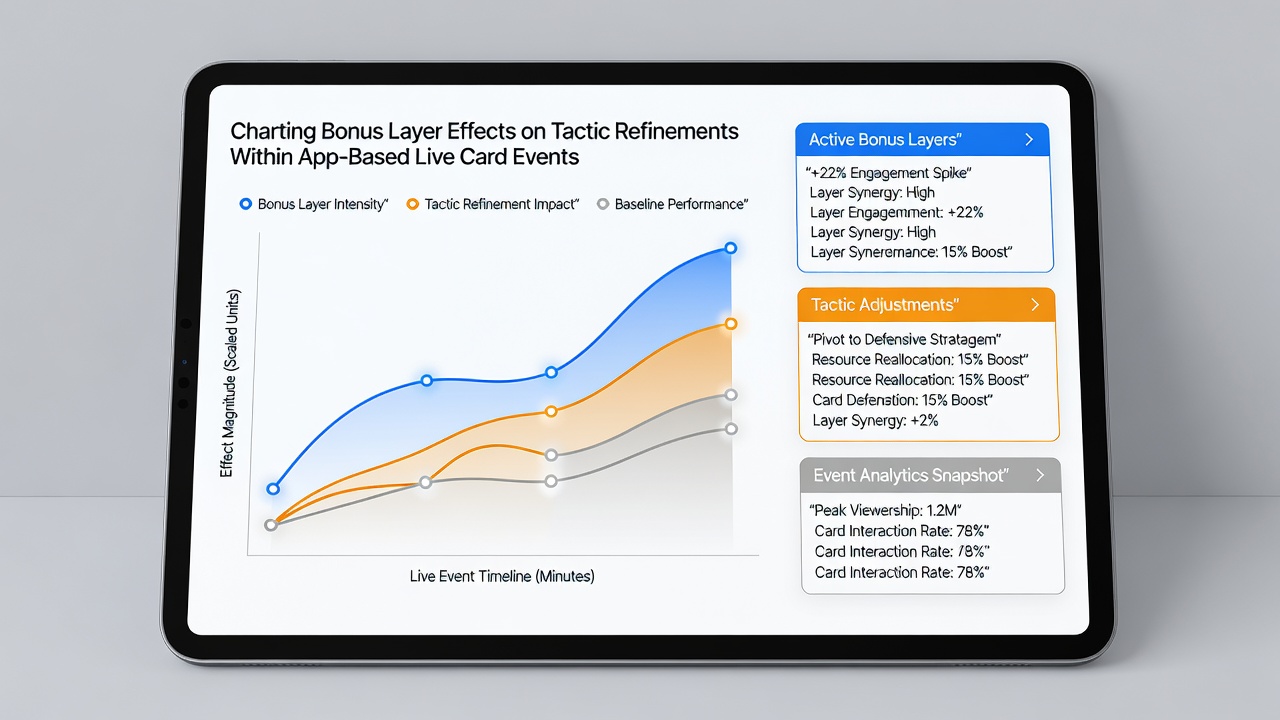
According to aggregated figures released by the American Gaming Association in early 2026, sessions incorporating at least three simultaneous bonus components recorded a 14 percent rise in hands played per hour compared with standard cash play, and the average duration of those sessions extended by roughly eight minutes. The same dataset reveals that users who hit a loyalty multiplier threshold mid-event shifted toward splitting pairs more frequently when the payout boost offset the doubled wager risk.
Regional Data and Platform Variations
Canadian provincial regulators published usage statistics in June 2026 that compared mobile card applications across different bonus configurations, and the results indicated that platforms offering progressive cashback tiers saw higher retention rates among users who refined their doubling strategies to align with rebate milestones. European operators reporting to the Malta Gaming Authority documented similar trends, although the effect sizes differed based on local currency volatility and tax treatment of winnings.
One study released by a research group at the University of Sydney examined how bonus layers interact with time-limited tournament entries embedded inside live card apps; findings showed participants who entered such events after activating a streak bonus adjusted their risk tolerance upward, electing to pursue insurance bets at higher rates once the multiplier applied to the entire tournament bracket.
Platform Design Responses
Developers have responded to these documented adjustments by introducing in-app dashboards that display projected bonus value alongside recommended tactical ranges, and several major providers now surface real-time counters that update expected value calculations as layers stack. These tools allow users to preview how an additional reload match would alter optimal play for specific dealer upcards without leaving the live stream.
Industry analysts note that the integration of such visualizations correlates with reduced session abandonment when bonus conditions change mid-event, because players receive immediate feedback on whether their refined approach still aligns with the updated reward structure.
Conclusion
Available evidence from regulatory disclosures, academic studies, and platform analytics demonstrates that layered bonuses exert consistent pressure on decision-making sequences within app-based live card events, prompting measurable refinements in bet sizing, risk selection, and session length. Continued monitoring through 2026 and beyond will clarify whether these patterns stabilize or evolve further as operators introduce additional incentive combinations and visualization features.