Aligning Transaction Systems and Layered Approaches in Portable Card Game Events
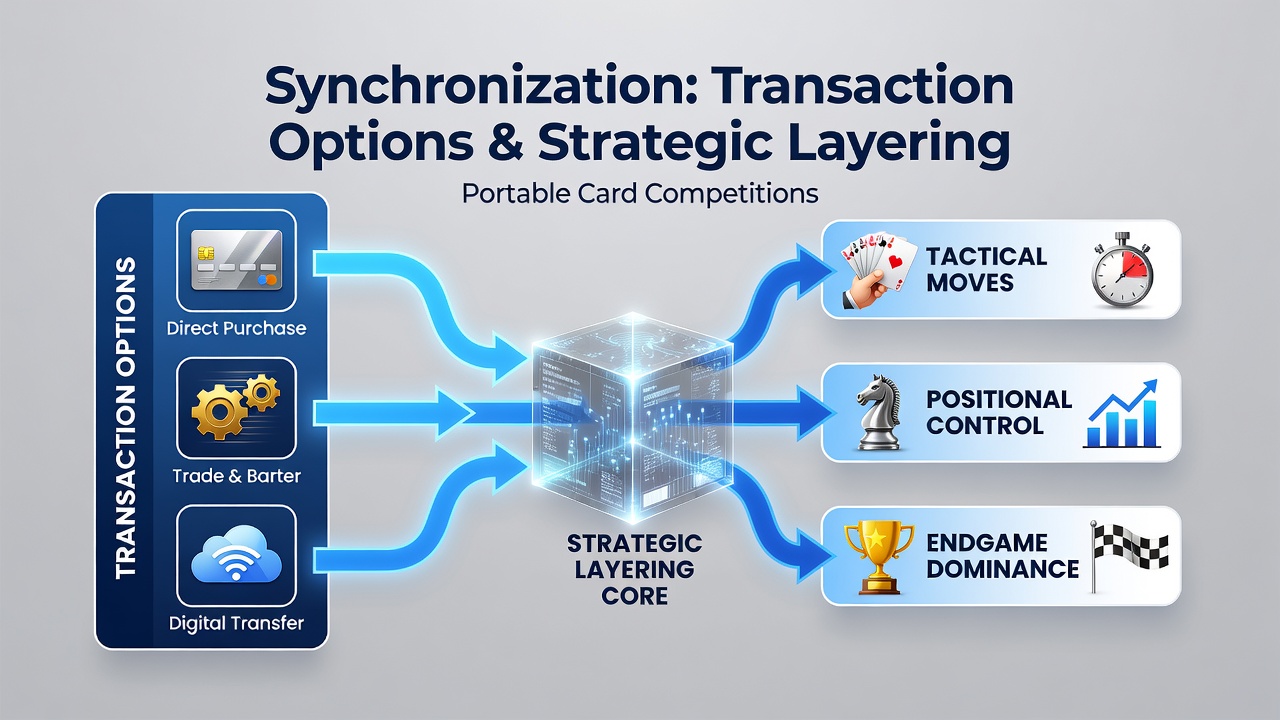
Portable card competitions have expanded rapidly across digital platforms, and observers note that transaction options now connect directly with strategic layering methods used by participants. Research from industry reports indicates that seamless payment integration influences how competitors build multi-stage betting structures during live sessions on handheld devices. Data collected through 2025 shows rising participation rates in these events, particularly where instant funding tools align with progressive wager adjustments.
Core Components of Transaction Options
Transaction options in portable card competitions include digital wallets, bank transfers, and prepaid cards that support immediate deposits and withdrawals. Figures from regulatory bodies in multiple regions reveal that faster settlement times correlate with higher engagement levels among tournament entrants. Those who study mobile gaming trends find that options supporting real-time verification reduce delays between funding steps and active play rounds, allowing participants to maintain momentum across different competition phases.
Payment providers have introduced layered security protocols that match the pace of tournament structures. According to information released by the American Gaming Association, operators track usage patterns where certain methods enable repeated small transfers that fit incremental strategy builds. This alignment matters because competitors often adjust positions mid-event based on available balances and processing speeds.
Strategic Layering in Practice
Strategic layering refers to the practice of dividing wagers into sequential stages that respond to card outcomes and opponent behavior. Participants apply these layers through progressive bet sizing, side adjustments, and risk distribution across multiple hands. Studies compiled by academic researchers at institutions focused on behavioral economics demonstrate that players who synchronize funding access with these layers achieve more consistent positioning in bracket-style formats.
Portable devices facilitate this process through apps that display both account status and table statistics simultaneously. Evidence from tournament logs suggests that competitors using integrated tools can shift layers without pausing for external verifications, which preserves timing advantages during critical rounds.
Synchronization Patterns Observed in 2026
By July 2026, platform updates had introduced automated triggers that link approved transaction methods to predefined strategy templates. Industry data indicates these features allow entrants to pre-set funding limits that correspond with layer thresholds, reducing manual interventions during high-pressure segments. Analysts tracking participation metrics report that events incorporating such synchronization saw measurable increases in completion rates compared with earlier formats.
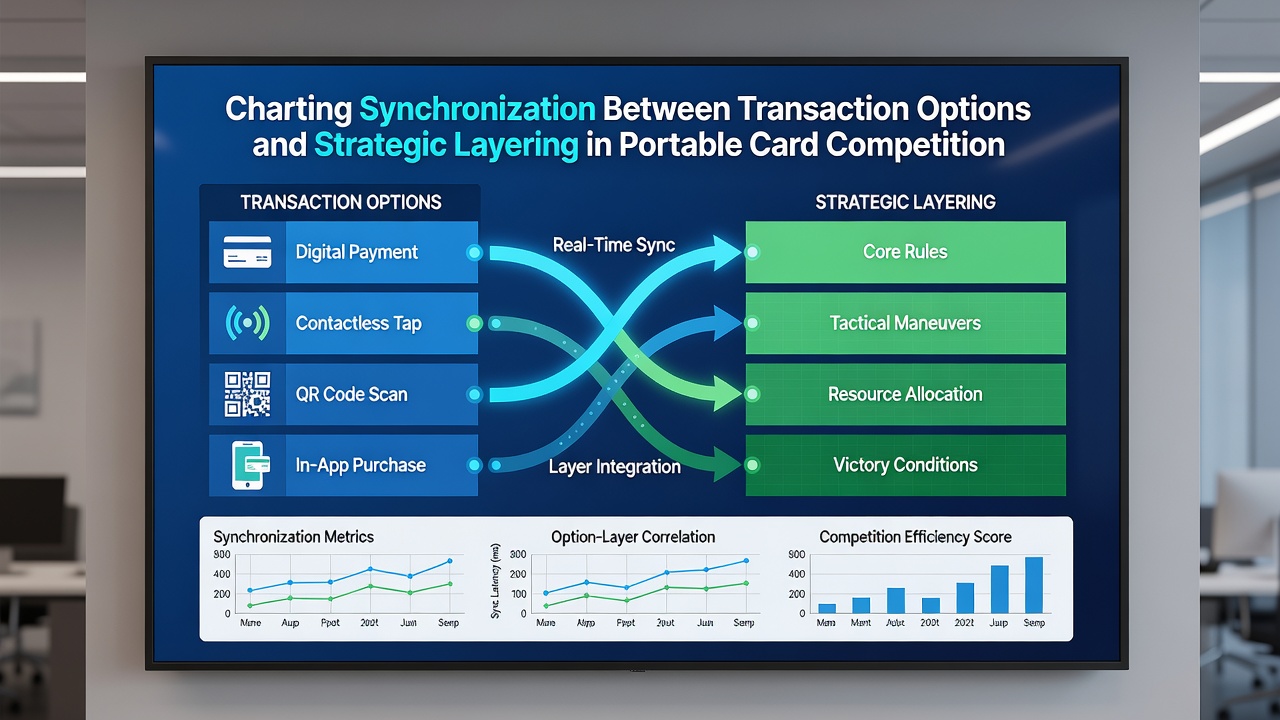
One documented case involved a series of regional qualifiers where entrants using synchronized systems maintained steadier progression through elimination rounds. Tournament organizers noted that balance updates occurred within seconds of each deposit request, enabling rapid layer recalibrations when card distributions shifted unexpectedly. This integration proved especially relevant in formats that combined live dealer feeds with mobile interfaces.
Regional Variations and Data Trends
Regulatory frameworks in North America and parts of Europe have shaped how transaction options interface with competition tools. Reports issued by the Nevada Gaming Control Board highlight that licensed platforms must maintain audit trails connecting payment records to in-game decisions. Similar requirements appear in guidelines from Australian oversight agencies, where emphasis falls on transparent reconciliation between funding sources and strategic records.
Statistics gathered across multiple operators show that participants favor methods offering instant confirmation when events feature compressed time windows between rounds. Research indicates this preference strengthens in portable formats because device users often compete across short sessions rather than extended blocks. Observers tracking these patterns note that synchronization reduces friction points that previously interrupted layer progression.
Technical Integration Methods
Developers achieve synchronization through application programming interfaces that transmit balance data directly into tournament dashboards. These connections allow strategy software to flag when funding levels support or constrain specific layer sequences. Evidence from platform performance reviews suggests that reduced latency in these transmissions improves decision accuracy during live play.
Security measures embedded in these systems verify each transaction against competition rules before processing completes. Data from testing environments reveals that such checks prevent mismatches between intended wagers and actual account capacity, supporting consistent application of layered tactics throughout an event.
Conclusion
Alignment between transaction options and strategic layering continues to influence outcomes in portable card competitions. Available records demonstrate that integrated systems support smoother transitions between funding steps and wager adjustments, particularly as events evolve through mid-2026. Continued observation of these connections provides insight into how mobile platforms structure competitive play across different regions and formats.